


Data Center UPS Systems Built to Scale With You

Modular, scalable systems
Add capacity as your data center grows, without a full system replacement
In-house deployment team
Installation and ongoing support from people who know the system, not a subcontractor
34+ years in power and cooling
Since 1990, specializing in power and cooling since 1996
Where our data center systems get deployed

Enterprise server rooms
Centralized power protection for growing on-prem infrastructure

Multi-site rollouts
Scalable, modular UPS deployed across distributed locations (our approach behind a 12-site nationwide shipping center rollout)

Colocation and hosted environments
Redundant power built to meet uptime commitments

Backup and disaster recovery infrastructure
Power protection for the systems that need to survive an outage, not just ride through one
Online vs. Line-Interactive: Which UPS Type Does Your Data Center Need?
Line-Interactive UPS
Line-interactive UPS systems regulate voltage without fully converting incoming power, making them efficient and cost-effective for environments with relatively stable power. They're a strong fit for server rooms and smaller data center footprints where budget and efficiency matter as much as absolute power purity.
Online Double-Conversion
Online (double-conversion) UPS systems fully convert incoming AC power to DC and back to AC, providing continuous, regulated power with zero transfer time. This is the standard for larger data centers and mission-critical infrastructure where even a momentary voltage fluctuation is unacceptable.
We help you determine which makes sense for your actual load and risk tolerance — not just sell you the more expensive option by default.
Beyond the UPS: Full Power Infrastructure
A UPS rarely stands alone in a real data center deployment. We also design around:
Redundancy (N, N+1, 2N)
How much spare capacity your system carries so a single unit failing doesn't take down your infrastructure. Which level makes sense depends on how much downtime your operation can actually tolerate.
Battery autonomy
How long your system runs on battery alone before generator handoff or graceful shutdown, sized to your real infrastructure, not a default number.
PDU integration
Power distribution planned alongside the UPS itself, not bolted on afterward.
Maintenance bypass
The ability to service or replace a UPS without powering down the load it protects, using a maintenance bypass panel — a real product line we carry, not just a concept.
Data Center
UPS —
Common
Questions
Line-interactive systems regulate voltage without fully converting power, making them efficient for stable environments. Online double-conversion systems fully convert incoming power, providing continuous regulation with zero transfer time — the standard for larger, mission-critical data centers.
Three-phase systems are typically needed once your data center's load exceeds what a single-phase system can efficiently support — usually in larger server rooms and full data center deployments rather than a small server closet. We size this based on your actual equipment inventory, not a general rule of thumb.
Yes — this is the core of a modular UPS approach. Instead of buying for five years of projected growth today, you install what you need now and add battery or power modules as your load actually grows.
It depends on whether you're bridging to a generator, riding out short utility blips, or need extended runtime for a full graceful shutdown. Most data center deployments are sized for enough runtime to reach generator handoff, with extended battery options available for environments without one.
Redundant (N+1) configurations run additional UPS capacity beyond what's strictly needed, so a single unit failing doesn't take down the whole system. Whether this makes sense depends on how critical continuous uptime is to your operation.
Featured Products
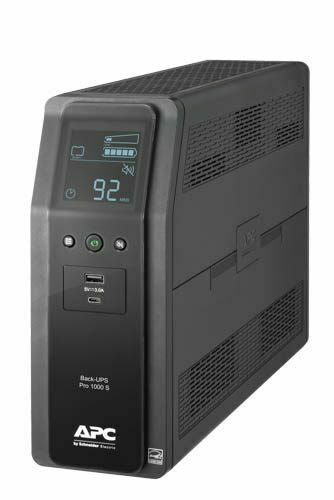
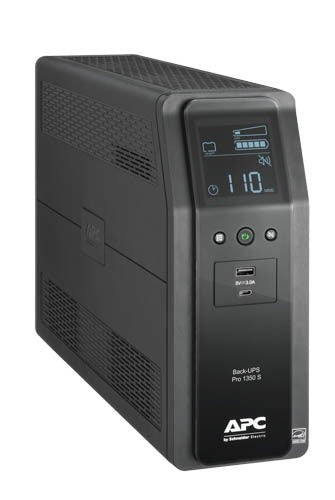
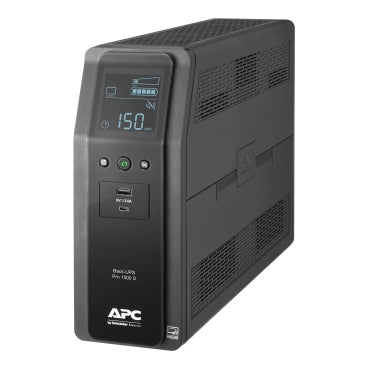
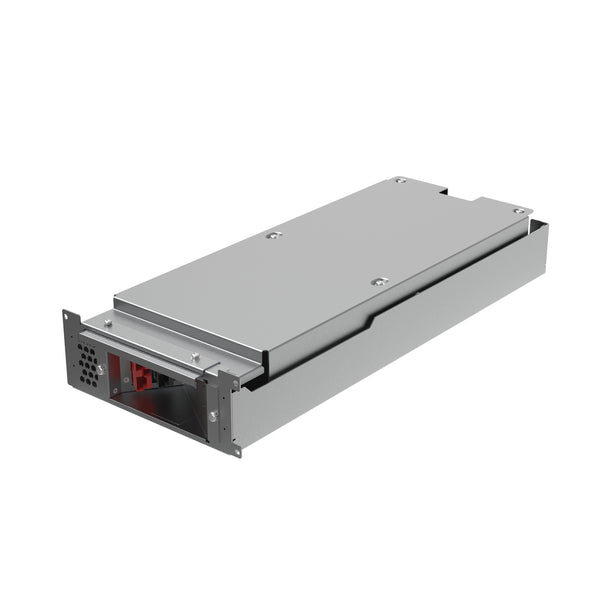
Scaling a data center or planning one?
Tell us your current load and where you expect to grow — we'll design a system that scales with you.
What Happens After You Submit
Requirement Review
A member of our team reviews your requirements
Consultation Follow-up
We'll follow up to talk through your setup — no pressure, no automated quote spit out sight unseen
Custom Sizing Recommendations
You'll get a system recommendation sized to what you actually have, not a generic package