


UPS Solutions for Hospitals, Clinics, and Medical Equipment

Real experience with medical and healthcare clients
Hospitals and doctor's offices are part of our regular client base, not a new market we're testing
In-house deployment team
Installation and ongoing support from people who know the system, not a subcontractor
34+ years in power and cooling
Since 1990, specializing in power and cooling since 1996
Standard Office UPS vs. Medical Facility UPS
Standard Office UPS
Protects: Office PCs, general equipment
Runtime target: General business continuity
Typical setting: Office
Generator relationship: Optional
Medical Facility UPS
Protects: Diagnostic, lab, and patient-care-adjacent equipment
Runtime target: Sized to clinical workflows, not a generic default
Typical setting: Hospitals, clinics, diagnostic facilities
Generator relationship: Often bridges to an on-site emergency generator
Most hospitals already have emergency generator systems — a UPS's job in that setup is bridging the gap between the moment power drops and the moment the generator takes over, not replacing the generator itself.

Power-sensitive equipment in a clinical or medical office setting commonly includes:
- Diagnostic and imaging equipment — ultrasound machines, diagnostic imaging workstations
- Laboratory analyzers and research equipment
- Patient monitoring systems and nurse stations
- Electronic medical record (EMR) servers and pharmacy systems
- Front-desk and records systems — PCs, servers, phone systems
- Medication refrigeration, where applicable
- Network infrastructure supporting all of the above
Battery backup for medical equipment provides temporary power during an outage, giving staff time to continue critical operations or transition safely to generator power — it's the bridge, not the permanent solution.
How We Size Medical Facility UPS Systems
Sizing depends on real factors, not a generic package:
- Equipment load — everything actually being protected
- Required runtime — bridging to a generator, or completing a safe shutdown
- Generator availability — whether the UPS needs to cover a full outage or just the handoff gap
- Critical vs. non-critical equipment — not everything in a facility needs the same level of protection

Medical Facility UPS — Common Questions
No — a UPS protects the power supply feeding your equipment, but it isn't a certified medical device itself. If your facility has specific regulatory requirements for connected equipment, we size and configure the power protection around those requirements.
The core UPS technology is the same — the difference is typically runtime and redundancy requirements, since a power interruption affecting patient care equipment often carries higher stakes than an office system rebooting.
Both — hospitals and doctor's offices are part of our regular client base alongside banks, libraries, and government offices, and we size systems appropriately for either scale.
Yes — a properly sized UPS can protect diagnostic and imaging equipment from power interruptions the same way it protects any other sensitive electronics, though sizing depends on the specific equipment's power draw.
It depends on whether the goal is bridging to a generator or completing a safe shutdown of active procedures or equipment — we size runtime based on your actual equipment and workflow, not a generic default.
Not in the underlying technology — a medical UPS battery backup setup is typically sized with more headroom and often paired with the runtime and redundancy planning a clinical environment needs, rather than a different type of battery altogether.
Recommended for Common Industrial Environments

Manufacturing floor / control systems
Industrial-grade UPS sized to PLC and control equipment loads

Telecom and DC-powered equipment
DC uninterruptible power supply options

Marine, outdoor, or extreme environments
Ruggedized and shipboard-rated units
Featured Products
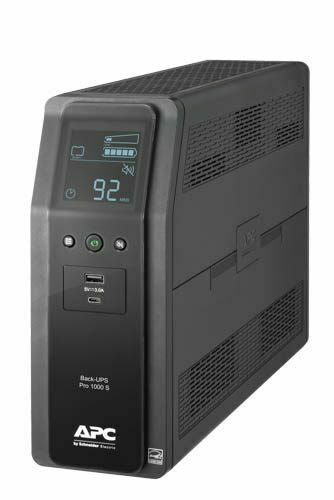
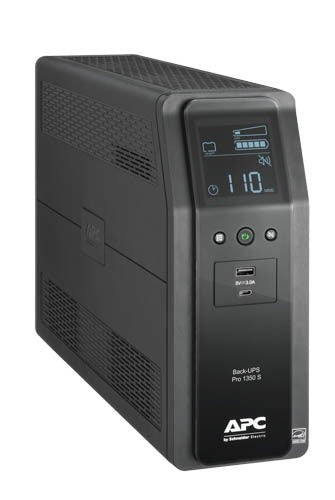
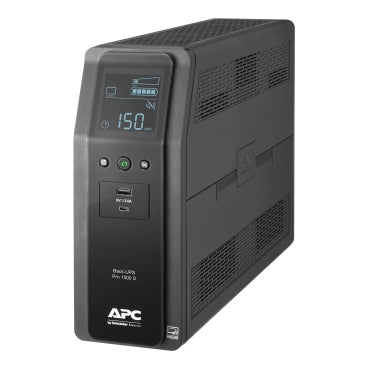
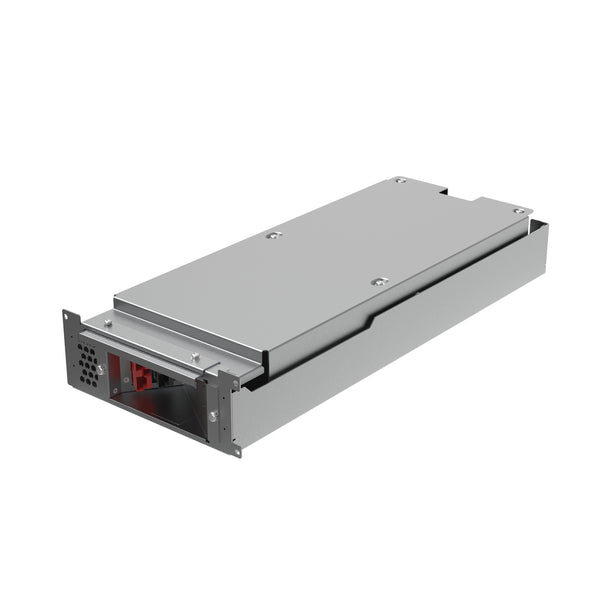
Protecting equipment in a medical or clinical setting?
Tell us what you're protecting and we'll recommend the right system
What Happens After You Submit
Requirement Review
A member of our team reviews your requirements
Consultation Follow-up
We'll follow up to talk through your setup — no pressure, no automated quote spit out sight unseen
Custom Sizing Recommendations
You'll get a system recommendation sized to what you actually have, not a generic package