


Industrial UPS Systems for Harsh and Demanding Environments

Built for real industrial conditions
Not office-grade hardware relabeled for a harsher environment
In-house deployment team
Installation and ongoing support from people who know the system, not a subcontractor
34+ years in power and cooling
Since 1990, specializing in power and cooling since 1996
Proven with demanding, distributed operations

Equipped 12 shipping centers nationwide with scalable, modular UPS for supply chain and logistics operations
Authorized APC by Schneider Electric distributor
In-house deployment team, not a subcontractor
Standard UPS vs. Industrial UPS
Standard UPS
Typical setting: Office, server room
Temperature tolerance: Controlled environment
Vibration tolerance: Low
Enclosure: Standard
Protects: IT equipment
Industrial UPS
Typical setting: Manufacturing floor, plant, outdoor site
Temperature tolerance: Wide operating range
Vibration tolerance: High
Enclosure: Ruggedized options available
Protects: PLCs, automation, industrial control, DC-powered systems
Industrial environments also commonly need DC uninterruptible power supply options for control systems and telecom-adjacent equipment, three-phase configurations for larger loads, and remote monitoring via network management cards so a unit doesn't need a physical visit to check its status.

Sizing an industrial system comes down to a handful of real factors, not a generic chart:
- Total connected load — everything the system actually needs to protect
- Required runtime — bridging to a generator, or a full graceful shutdown
- Ambient temperature and conditions — how far outside a controlled environment the unit will operate
- Battery technology — lithium-ion vs. traditional VRLA, weighed against your conditions and budget
- Redundancy needs — whether a single unit failing can be tolerated or needs backup capacity
Industrial UPS Systems — Common Questions
Industrial units are built to handle wider temperature ranges, vibration, and dust exposure that would degrade standard commercial hardware over time. The core UPS technology is similar — the housing, components, and operating tolerances are what change.
Yes, in most cases — a PLC losing power ungracefully mid-cycle can cause far more downstream disruption than a server rebooting. Sizing depends on your specific controller and how much runtime you need to reach a safe shutdown state or generator handoff.
A DC UPS supplies backup power directly to DC-powered equipment — common in telecom and certain industrial control systems — rather than converting through AC. If your equipment runs natively on DC, a DC UPS is typically more efficient than adding an AC-to-DC conversion step.
Often, yes — lithium-ion batteries generally tolerate a wider temperature range and last longer than traditional VRLA batteries, which can make them a strong fit for industrial environments, though the right choice still depends on your specific conditions and budget.
Redundant (N+1) configurations run additional UPS capacity beyond what's strictly needed, so a single unit failing doesn't take down the whole system. Whether this makes sense depends on how critical continuous uptime is to your operation.
Recommended for Common Industrial Environments
Manufacturing floor / control systems
Industrial-grade UPS sized to PLC and control equipment loads
Telecom and DC-powered equipment
DC uninterruptible power supply options
Marine, outdoor, or extreme environments
Ruggedized and shipboard-rated units
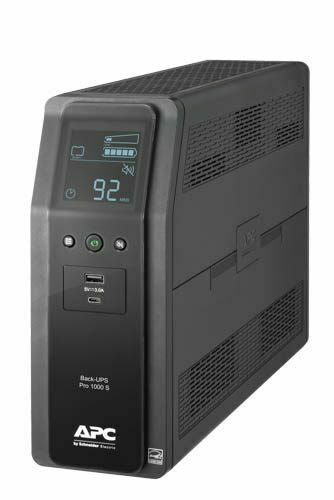
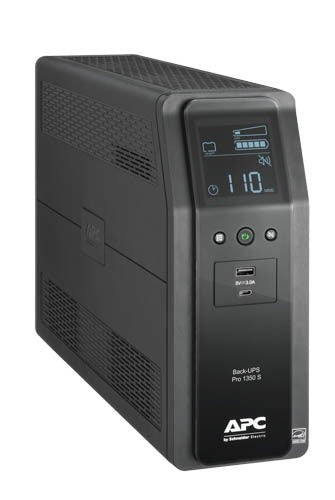
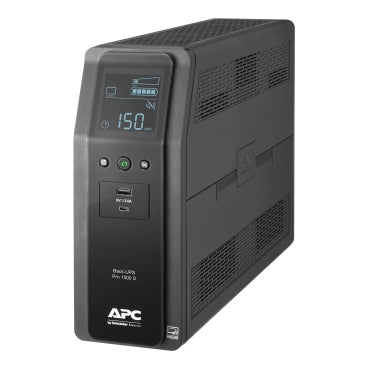
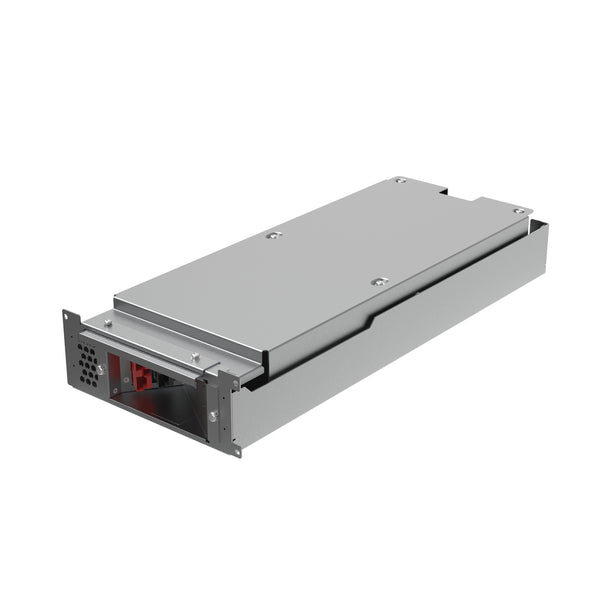
Featured Products
Protecting equipment in a demanding environment?
Tell us about your environment and load, and we'll recommend the right industrial system.
What Happens After You Submit
Requirement Review
A member of our team reviews your requirements
Consultation Follow-up
We'll follow up to talk through your setup — no pressure, no automated quote spit out sight unseen
Custom Sizing Recommendations
You'll get a system recommendation sized to what you actually have, not a generic package